
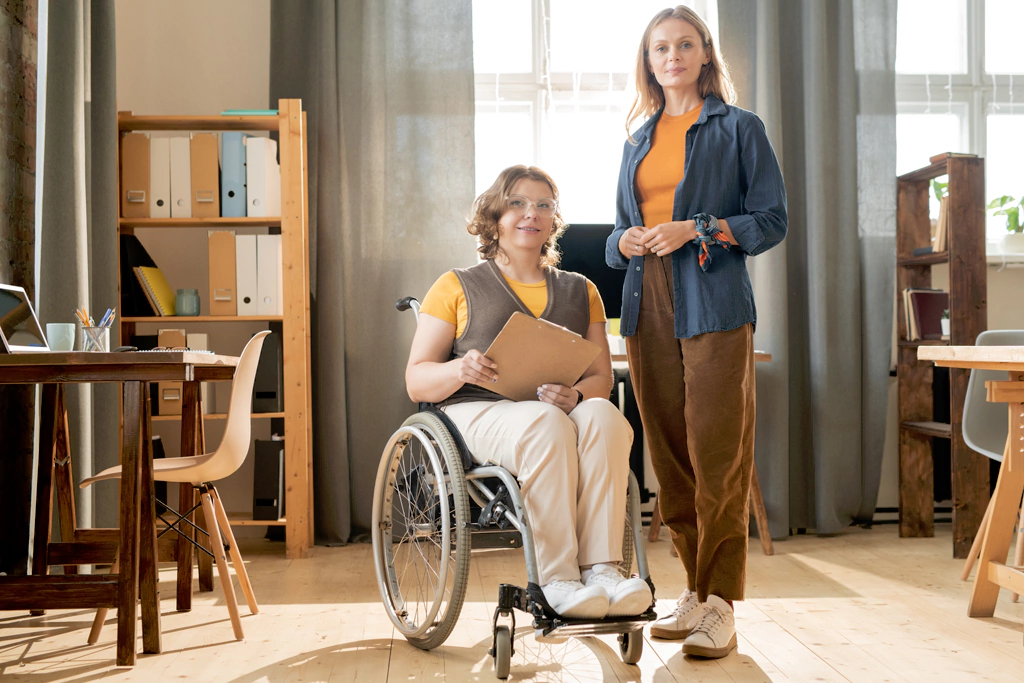
Specialist Disability Accommodation in Melbourne has changed quickly in the last few years. By 2026, the focus shifts to homes that support independence, comfort and long term wellbeing for NDIS participants. New SDA homes do more than meet basic accessibility needs. They use practical design, better technology and stronger standards that make everyday life easier and safer.
Melbourne continues to set the pace with new SDA projects that support participants with different physical, cognitive, sensory and behavioural needs. This piece explains how these homes are designed in 2026 and why they reflect a newer and more inclusive way of living.
1. Person-centred design guides every decision
Modern SDA design starts with the person who will live in the home. Providers, architects and planners sit with participants and their families to understand daily routines, mobility needs and support requirements. Instead of following a fixed template, the design team adapts the home with features such as
- Wide doorways and open circulation areas
- Kitchen counters that adjust in height
- Bedrooms with enough room for equipment and support workers
- Calm and low sensory spaces for people who need them
- Bathrooms arranged around mobility and transfer needs
These choices make the home feel more natural, more supportive and less like a clinical space.
2. Homes follow the updated SDA design categories
By 2026, all new SDA homes in Melbourne follow the latest design categories
- Improved Liveability for people with sensory or intellectual impairments
- Fully Accessible for people with major physical mobility limitations
- Robust for people who need a secure and durable setting
- High Physical Support for people who rely on advanced equipment or continuous support
These categories shape the structure, materials, room sizes and safety elements. High Physical Support homes now use stronger ceiling frames for hoists, automated doors and backup power that keeps equipment running during outages. Robust homes focus on durability with high strength walls, secure fittings and surfaces that hold up well to daily use.
3. Barrier free layouts shape the entire home
In 2026, accessibility sits at the core of the layout rather than being added later. New SDA homes across Melbourne often include
- Step free entry from every access point
- Wide hallways that make wheelchair movement easy
- Open living spaces that offer clear lines of sight
- Reinforced bathrooms that support safe transfers
- Slip resistant flooring that works well with mobility devices
These features reduce falls, improve movement through the home and support greater independence for people who use wheelchairs, walkers or communication devices.
4. Integration of Smart Assistive Technology
Technology has become one of the most important features of modern SDA design. In 2026, homes include a full ecosystem of assistive technology (AT) designed to improve daily independence:
- Voice-controlled and app-controlled lighting, blinds and temperature.
- Automated entry doors with secure access control systems.
- Real-time sensor alert systems for falls or emergency support.
- Ceiling hoist tracking across bedrooms and bathrooms.
- Smart appliances to support safe meal preparation.
- Backup power to support medical devices and AT around the clock.
These features reduce reliance on support workers for small daily tasks and create a safer living environment.
5. Strong Safety Standards and Durable Construction
Safety and durability are central to every SDA home built in 2026. Melbourne’s new homes prioritise:
- Kitchens with induction cooktops to avoid open flames.
- Bathrooms with safety rails, roll-in showers and non-slip surfacing.
- Reinforced fixtures in Robust category homes.
- Secure windows and break-resistant materials to minimise injury risk.
- Soundproofing for participants sensitive to noise.
- Thoughtfully placed emergency exits.
The design blends safety and dignity, ensuring the home feels comfortable rather than institutional.
6. Sustainability and Cost-Efficient Living
Energy efficiency and environmental sustainability now play a major role in SDA construction. Participants benefit through lower utility costs and better indoor comfort. Modern SDA homes typically include:
- Solar energy systems
- High-quality insulation
- Double-glazed windows
- Smart climate control systems
- Water-efficient fixtures
- Low-maintenance exterior materials
These features extend the lifespan of the home and reduce day-to-day living costs, which supports long-term financial stability for participants.
7. Location and Community Integration
Modern SDA design accepts that a home is only one part of independent living. The area around the home shapes how a participant moves through daily life. New SDA projects in Melbourne choose locations close to public transport, health and therapy services, retail areas, local markets, work or training options, parks, community hubs and simple social spaces. This helps people stay connected and makes it easier to study, work or take part in regular activities.
8. Private Spaces With Support Friendly Layouts
SDA homes built for 2026 try to keep privacy and support in the same plan. Bedrooms leave enough room for assistive tech, storage needs and mobility tools. Ensuites allow hoist access, roll in showers and safe transfer points. Shared spaces invite people to sit together while staying easy for support staff to move around. This kind of layout keeps the home warm, simple and comfortable while giving each person room to stay independent.
Conclusion
SDA homes in Melbourne have reached a new standard in 2026, one where accessibility, dignity and independence are at the heart of every design decision. From person-centred planning and advanced assistive technology to sustainable materials and community-connected locations, these homes give participants the ability to live safely, confidently and comfortably.
At Ability Allcare Services we play an important role in supporting participants through this journey. With a strong focus on personalised support, high-quality accommodation options and genuine participant wellbeing, we help individuals find SDA housing that truly matches their needs and lifestyle. If you need guidance on SDA housing, support coordination or daily living assistance, our team at Ability All care can help you move toward greater independence and a home that feels truly your own.